
June 25, 2025
What Causes Drywall Damage? Prevention Tips for Homeowners
Drywall is a vital part of your home’s structure. It’s the surface on your walls and ceilings that makes your rooms look finished and polished. However, despite its widespread use, drywall can be vulnerable to various forms of damage. From cracks and holes to moisture damage, understanding the causes of drywall issues and how to prevent them can save you time, money, and stress. Whether you’re renovating, moving furniture, or simply looking to maintain your home, keeping drywall in good shape is essential.
As trusted drywall repair in Loveland, OH , professionals, Alice Woodworking has seen firsthand how small issues with drywall can snowball into bigger problems if not addressed early. In this article, we’ll discuss the most common causes of drywall damage and share effective prevention tips for homeowners.
Common Causes of Drywall Damage
Before jumping into prevention, let’s take a closer look at the primary culprits that can damage drywall. These issues are often overlooked until the damage becomes noticeable, so understanding them is key to keeping your walls intact.
1. Accidental Impact
One of the most common causes of drywall damage is physical impact. This could be as simple as a doorknob slamming into the wall, a piece of furniture accidentally being pushed too hard, or children playing with toys. These impacts can create holes, dents, or cracks in the drywall. These damages might seem minor, but over time, even small holes can grow into larger, more noticeable issues.
Prevention Tip:
Keep furniture and heavy items away from walls, and ensure doors are properly secured with bumpers to avoid direct impacts. Consider using corner protectors or wall guards in high-traffic areas to protect your drywall from accidental bumps.
2. Moisture and Water Damage
Moisture is one of the worst enemies of drywall. Water from leaks, high humidity, or steam from cooking or showering can penetrate the drywall, causing it to soften, warp, and eventually break apart. This can be especially problematic in areas like bathrooms, kitchens, and basements.
Prevention Tip:
Ensure that your home has proper ventilation. Install exhaust fans in bathrooms and kitchens to keep moisture at bay. Regularly inspect plumbing and roofing to avoid leaks that could lead to water damage on your drywall. If you notice any signs of moisture infiltration, address the issue immediately with professional drywall repair in Loveland, OH
.
3. Temperature Fluctuations
Extreme temperature changes can cause drywall to expand and contract. If your home isn’t properly insulated, this can lead to cracks and gaps in your walls. Additionally, sudden temperature changes can affect the integrity of the drywall material itself.
Prevention Tip:
Maintain a consistent temperature in your home by properly insulating your walls, especially in areas with extreme seasonal temperature shifts. If you have a room with extreme temperature swings, consider adding insulation or using vapor barriers to prevent drywall stress.
4. Settling and Foundation Shifts
Over time, your home will settle naturally. This can lead to tiny shifts in the foundation, which can affect your drywall. These shifts often cause cracks that appear over time, especially near corners, windows, and door frames.
Prevention Tip:
While settling is a natural process, keeping an eye on cracks and foundation issues can help minimize damage. If you notice any sudden or severe shifts, consider consulting with a foundation expert to ensure your home remains structurally sound. Regular inspections by drywall repair in Loveland, OH
professionals can help you detect early signs of foundation damage that might affect your drywall.
5. Pest Infestation
Insects or rodents in your home can also cause drywall damage. These pests often burrow through walls, leaving behind holes, stains, or damage from their nests. Certain pests like termites and carpenter ants can be particularly damaging, as they can weaken the structural integrity of the drywall.
Prevention Tip:
Regularly check for signs of pests in your home and seal any gaps or cracks around windows, doors, and plumbing fixtures. If you suspect an infestation, it’s important to call an exterminator promptly to address the issue before it leads to significant damage.
6. Improper Installation or Poor Quality Materials
In some cases, drywall damage isn’t caused by external forces—it’s simply the result of poor installation or low-quality materials. Improperly hung drywall can lead to uneven surfaces, and the wrong type of material might crack or warp more easily.
Prevention Tip:
When installing or replacing drywall, always work with reputable drywall repair in Loveland, OH
experts like Alice Woodworking
to ensure the job is done correctly. Choosing high-quality materials and ensuring proper installation techniques will save you time and money in the long run.
How to Maintain Your Drywall: Tips for Long-Term Durability
While accidents are sometimes inevitable, there are several simple steps you can take to keep your drywall in top condition and avoid major issues down the line.
1. Regular Inspections
Inspecting your drywall regularly can help you catch problems before they get worse. Look for signs of cracking, stains, or bulging in the walls. Early detection of small issues can prevent them from becoming larger, more costly repairs.
Prevention Tip:
Consider scheduling routine inspections of your walls, particularly in areas that are prone to moisture or extreme temperature changes. At Alice Woodworking
, we recommend checking around doors, windows, and plumbing for early warning signs.
2. Prompt Repair of Small Damage
If you notice minor cracks or holes in your drywall, don’t wait to repair them. Small damage can grow over time, leading to bigger issues. Fixing minor damage early on will save you from costly repairs later.
Prevention Tip:
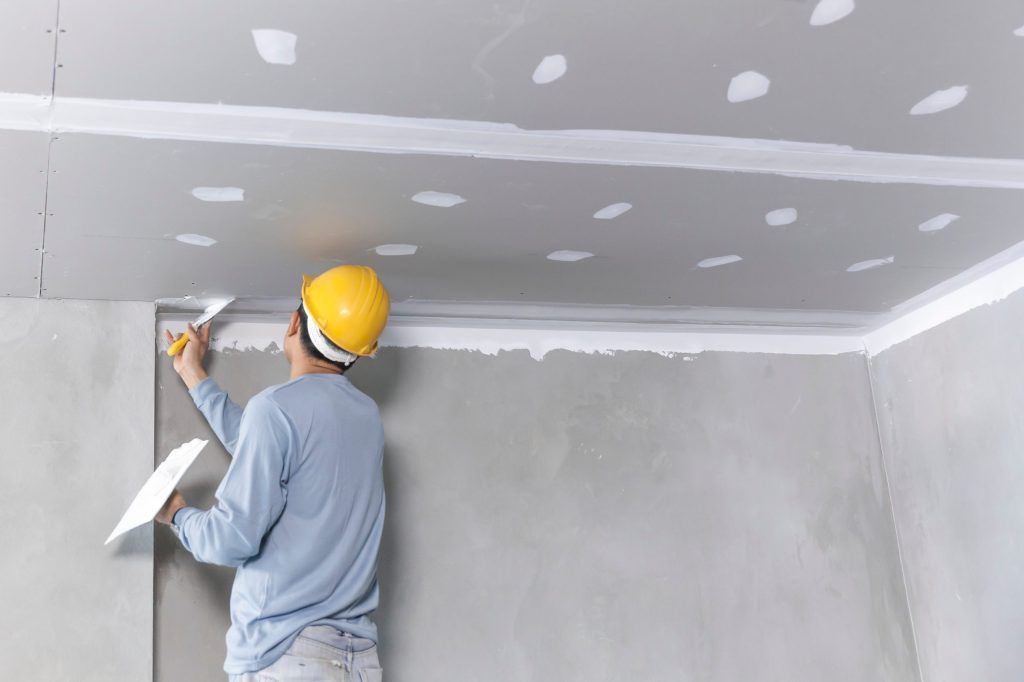
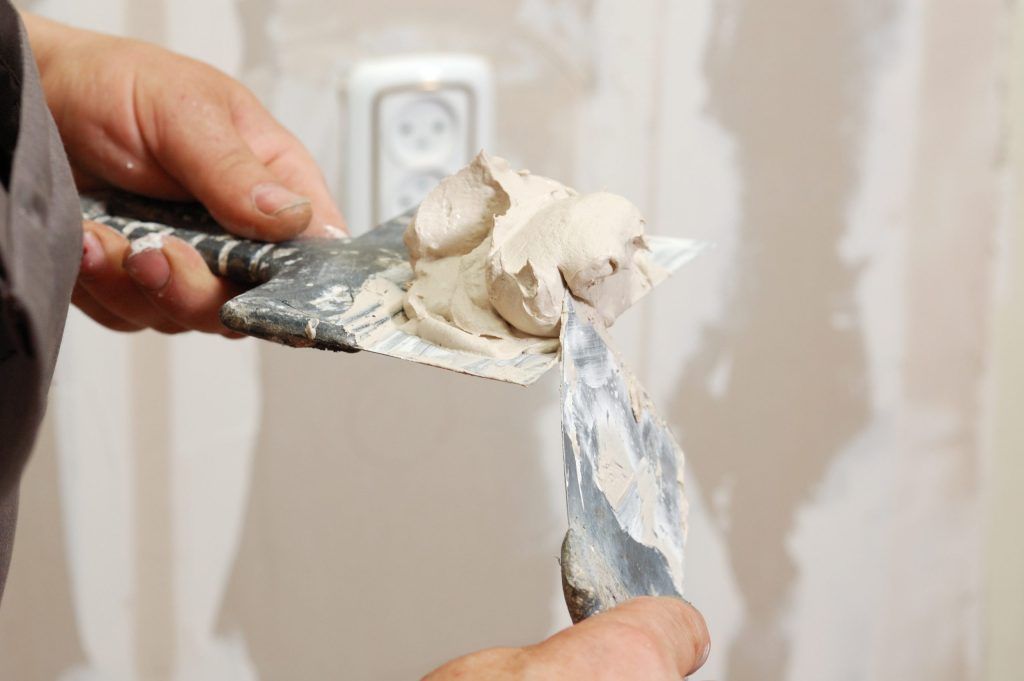
Keep a basic drywall repair kit handy for small touch-ups. For larger repairs, consult with drywall repair in Loveland, OH
experts like Alice Woodworking
to ensure a professional finish.
3. Proper Ventilation
As mentioned earlier, moisture is a major cause of drywall damage. Proper ventilation helps control the humidity levels in your home and prevents moisture buildup. This is especially important in high-humidity areas like kitchens and bathrooms.
Prevention Tip:
Install or maintain exhaust fans in kitchens and bathrooms, and use dehumidifiers in areas prone to excess moisture. Proper airflow will protect your drywall and help maintain the air quality in your home.
4. Control Pests and Rodents
As pests can cause significant damage to your drywall, it’s important to stay on top of pest control. Regularly inspect your home for any signs of infestation, and take immediate action if you find any issues.
Prevention Tip:
Seal cracks and holes around windows, doors, and pipes to prevent pests from entering. If you notice signs of an infestation, contact a pest control service to address the problem quickly.